
Tough Life
American Pale Ale
A classic American Pale Ale. Medium body and moderate bitterness with pronounced tropical fruit and citrus aromas.
- Alcohol
- 5,0 %
- Bitterness
- 35 IBU
- Colour
- 10 EBC
Packaging
- 0.33 L bottle (carton of 24)
- 0.33 L bottle (carton of 6)
- 20 L keg
- 25 L keg
Label · Tough Life
The story of towing the lađa, the Neretva river boat

The history of the lađa
The Neretva, known in antiquity as the Naron, Narenta or Nestos, is a river that means life itself to the people of the valley, above all as a waterway and a means of transport.
For hundreds of years, right up to the early 1970s, the main means of transport in the Neretva valley were two kinds of wooden boat, the lađa and the trupa. The lađa is much bigger than the trupa and was the valley's main cargo boat, while the trupa was used mostly to carry people along the river and through the narrow canals. Both boats were essential to the people of the lower Neretva, because the whole valley is criss-crossed by rivers, tributaries, streams, pools, canals and lakes.
In the past the lađa was used for all sorts of purposes: carrying livestock, farm produce, grass, manure, hay and straw, gravel and firewood. It carried furniture and people, and it was used for funerals and weddings. People also went out in the lađa and the trupa to hunt eels, frogs and birds.
Towing the lađa on the Neretva
A lađa could be moved along in several ways: by parićanje, or rowing, up and down the river; by idrenje, or sailing, with a mast and sail raised to catch the wind; or by lancanje, when people or horses walking along the bank pulled the boat on a long rope.
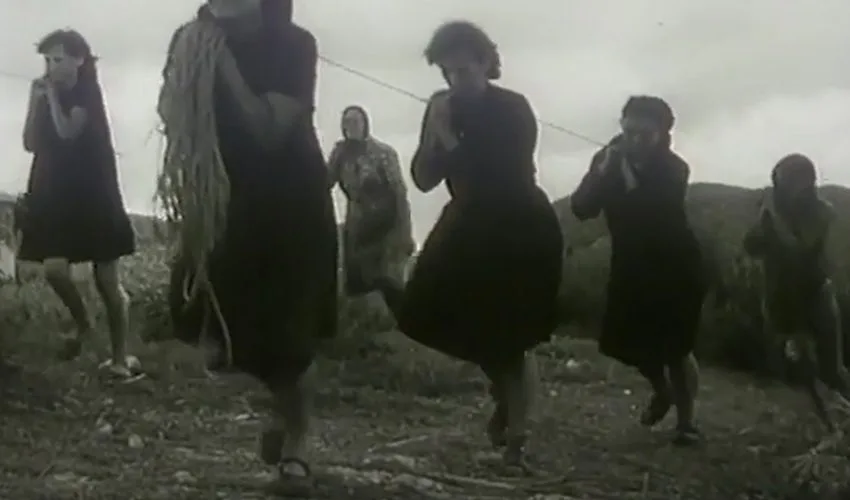
This work, called "lancanje", was as a rule done by women, while a man sat in the boat and steered it – timunio, as the locals say. The lancana, or rope, is held on the shoulder away from the river so that it does not slip off. The boat moves at walking pace. The rope, 30 to 50 metres long, is tied to the top of the jambor, the boat's mast.
The lađa today
The traditional shape and construction of the lađa have survived to this day. Local farmers still use the lađa and the trupa to carry their produce across the valley and along the canals to the markets on the Neretva. The lađa is also at the heart of what the Neretva valley offers visitors today. A photo safari, or Neretva safari, is a round trip through the valley's many marsh canals and side channels.
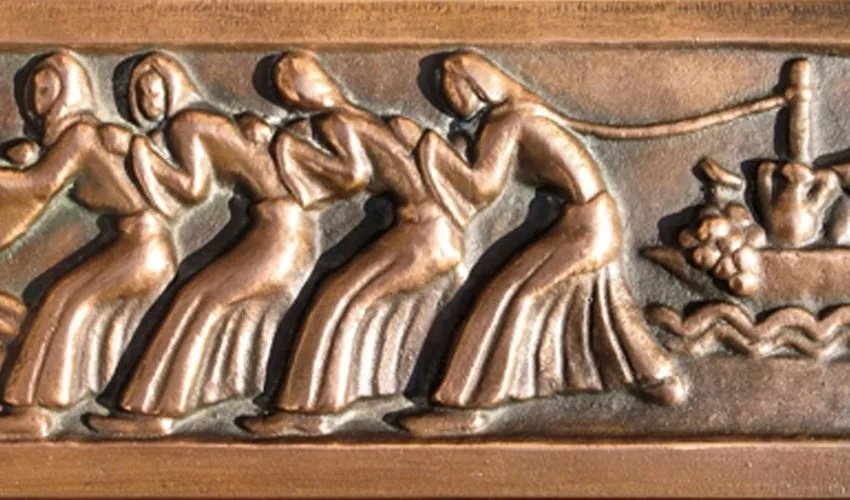
Fun fact: one of the Town of Metković Awards is called "Lancarice" and is decorated with a relief of the lancarice, the women who tow the lađa, by the sculptor Živan Bjelovučić.
The Lađa Marathon
The greatest credit for preserving, reviving and promoting the Neretva lađa goes to the Lađa Marathon, an amateur race in these traditional boats native to the Neretva, held once a year by the Neretva Boatmen's Association. More than thirty crews of 12 row the 22.5 km from Metković to Ploče.
#lancanje#ladja#dolina#neretva#metkovic#brewville#tough_life#tezak_zivot#neretva_valley#craft_beer#craft_brewery
White label
The same beer under our partners' labels.