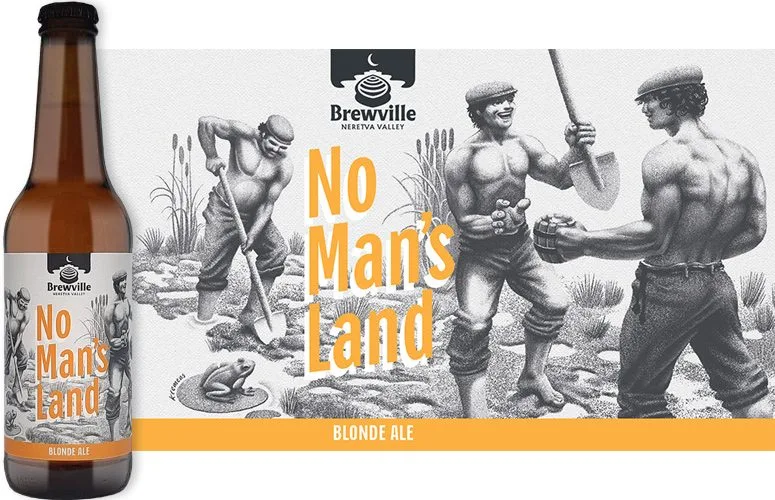
No Man's Land
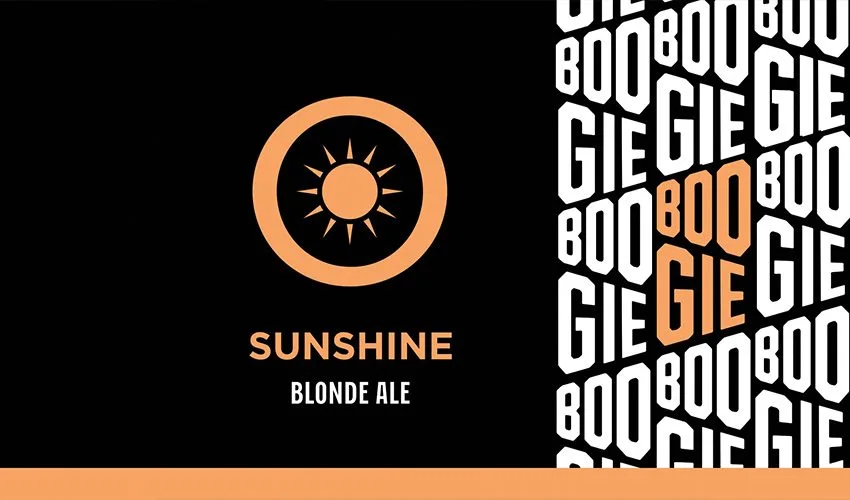
American Blonde Ale
A fresh, light summer beer with delicate citrus aromas, made for cooling down on hot days. Low bitterness and a light body.
- Alcohol
- 4,5 %
- Bitterness
- 20 IBU
- Colour
- 7 EBC
Packaging
- 0.33 L bottle (carton of 24)
- 0.33 L bottle (carton of 6)
- 20 L keg
- 25 L keg
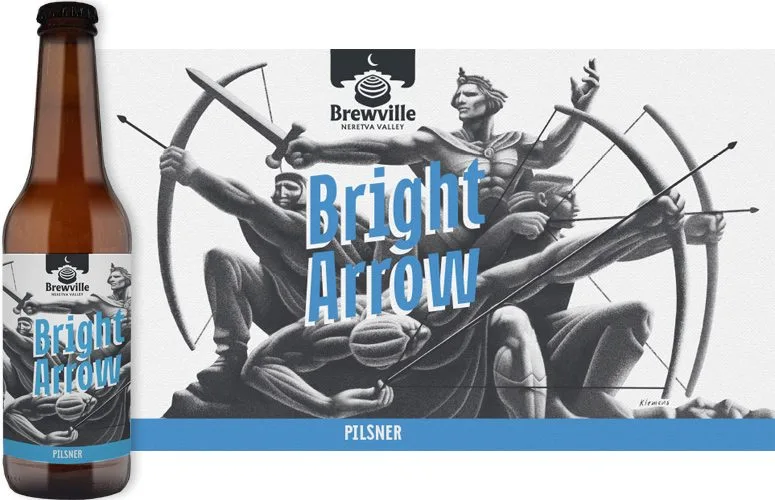
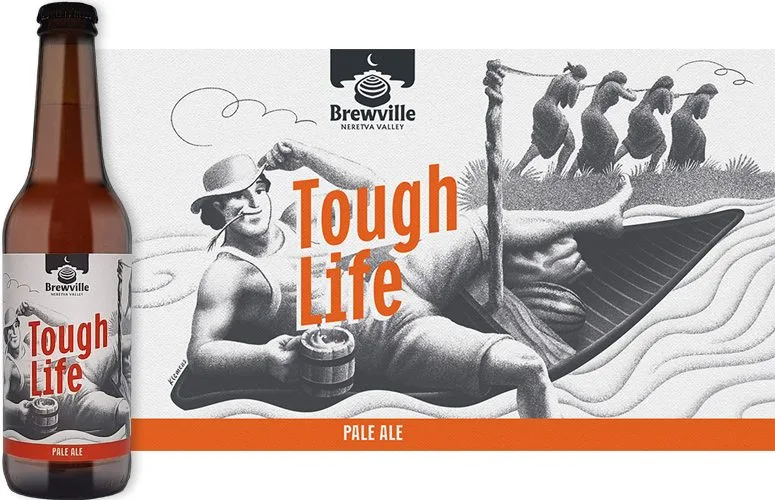
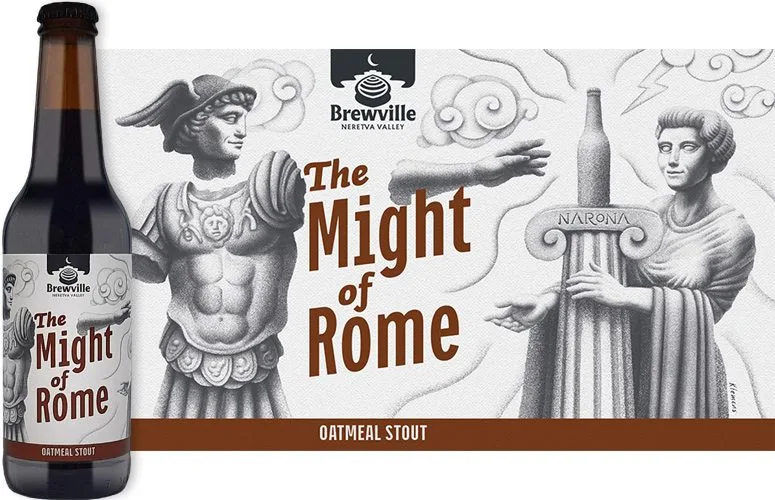
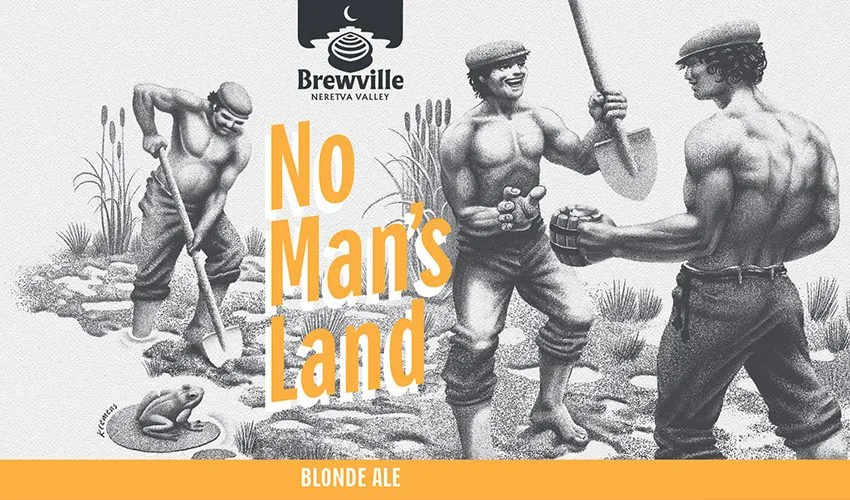
Label · No Man's Land
The story of no man's land: draining the Neretva valley
The marshes
The Neretva valley was once barren marshland, overgrown with marsh plants and home to many kinds of birds and fish. Combined with the Mediterranean climate, it was a source of many diseases, the best known being deadly malaria. At the time, the people of the Neretva valley did not know how to reclaim and use the marshland or how to change the original landscape.
One of the first attempts to turn the marshy valley into farmland came between 1881 and 1889, when the course of the Neretva was regulated from the town of Metković to the town of Ploče. Even then, the land around the delta itself had still not been reclaimed.
Reclamation begins
With the first reclamation works and the changes to the course of the Neretva, the people of the valley began, through their own work, to have a real impact on the natural features of the Neretva delta, changing the very look of the valley and, with it, its economy and settlement.
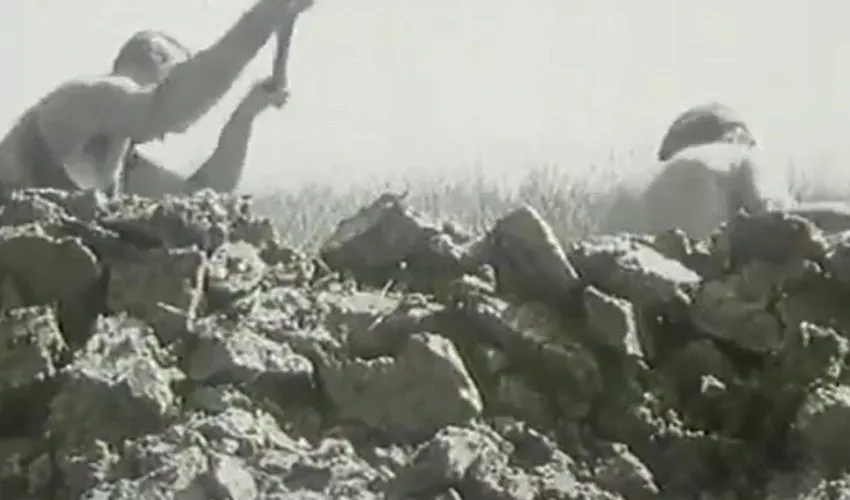
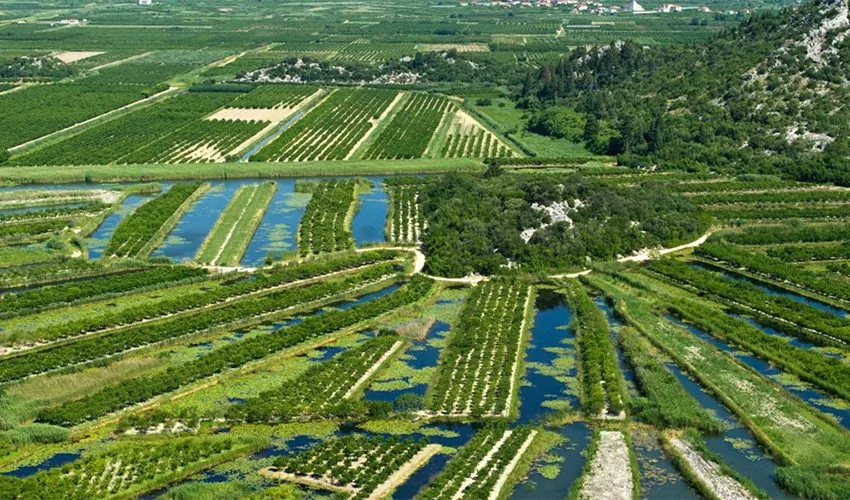
Digging through the marshy ground – jendečenje, as it is called locally – was the first attempt at reclaiming the Neretva valley. By digging channels (jendeci) and piling up the earth, plots of land were raised above the water level and out of reach of the sea. The channels were always dug at right angles to the river, and over time they gave rise to the "chequerboard" landscape that makes the Neretva valley so recognisable today.
Stanko Parmać
The main driving force behind the reclamation of the Neretva valley was not an architect but an intelligent and determined retired officer and war hero, Stanko Parmać. Born in Metković in 1913, he returned to his native Neretva valley in 1959 intending to carry out a project to reclaim the remaining marshes and give the people of the valley better living conditions.
Stanko Parmać had no training in agronomy, but in 1959 he founded the "Neretva" agricultural and industrial combine in Opuzen, which he ran as director until 1976. It all began with an initiative and a contract with the United Nations Food and Agriculture Organization (FAO) to design and build a reclamation system for the Neretva delta.
To improve citrus growing, he sought out and brought together recognised citrus experts from home and abroad, who drew up the first rules for land planning and soil preparation, along with clear guidelines on planting distances, protecting orchards from bad weather and irrigating them properly.
The new farmland shaped the future of agriculture in the valley, but it also set off a whole series of changes in the wider economy, in population trends and in the way people lived, and it spurred the building of new settlements and infrastructure. The changes were so far-reaching that they raised the standard of living in the Neretva valley.
The Neretva valley today
Today the Neretva valley is a landscape of drained marshes and cultivated land laid out in a "chequerboard" pattern, growing modern commercial crops. The new plantations and what remains of the wide marshes give the area a predominantly green look that sets it completely apart from the rest of the Croatian coast.
Anyone who has ever travelled through the Neretva valley has been struck by the beauty of the landscape and by how precisely the land has been laid out, shaped by simple but carefully thought-out building up and digging away of the soil. The result is an inspiring natural drawing, like a vast land-art installation: a rich pattern of canals, sandbanks, islands, paths and vegetation, woven together with the natural hills that were already there into an extraordinary piece of landscape design.
#melioracija#stanko_parmac#dolina#neretva#metkovic#brewville#no_man's_land#nicija_zemlja#neretva_valley#craft_beer#craft_brewery
White label
The same beer under our partners' labels.